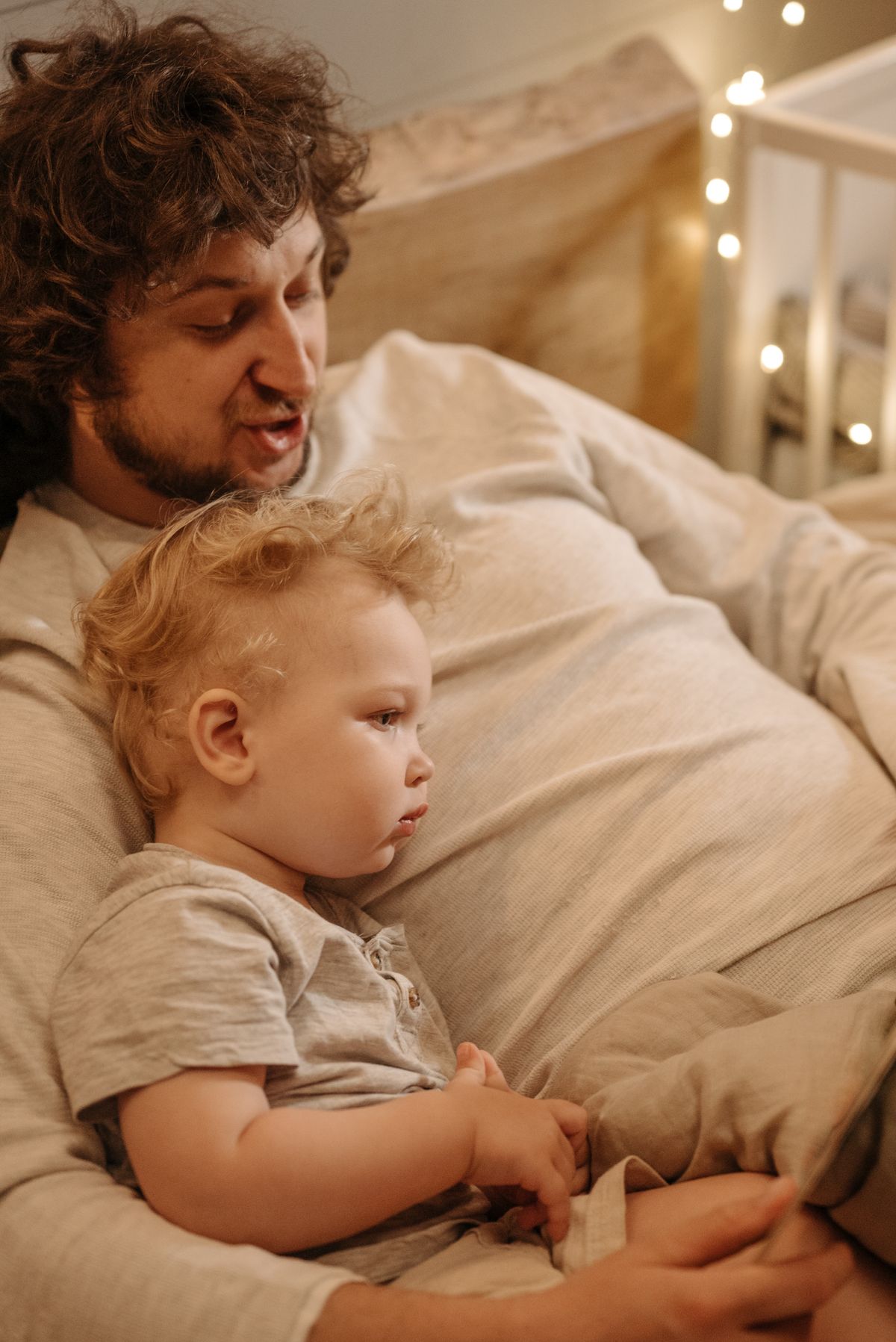
How to apologize to your kids (and why it matters)
You will snap, misjudge, and get it wrong. What your kids learn from that is decided entirely by what you do next. A real apology is one of the strongest moves a father makes.
The repair matters more than the mistake
You will get it wrong with your kids. You will snap after a bad day, misjudge a situation, be unfair. That is not the interesting part, because it is unavoidable. The interesting part, the part they actually learn from, is what you do in the minutes and hours after.
A child raised by a father who never acknowledges being wrong learns that adults do not admit fault, that you bluff and bluster your way through mistakes. A child whose father repairs learns something far more useful: that getting it wrong is survivable, and that you own it and make it right.
What a real apology sounds like
Most bad apologies are not really apologies. They are defences wearing the costume of one: "I am sorry, but you were winding me up." A real apology has none of that. It names the specific thing, owns it cleanly, and stops.
- Name it: "I shouted at you over breakfast."
- Own it: "That was not fair, and it was my fault, not yours."
- No excuse: leave out the "but you" entirely
- Where it fits: "I will try to handle it better next time."
It makes you stronger, not weaker
Some fathers fear that apologizing undermines their authority, that a leader should never admit fault. The opposite is true. Kids are not fooled by bluster; they know when you were wrong. Refusing to say so does not preserve your authority, it teaches them that you are either blind to your faults or too proud to name them.
A father who can look his child in the eye and say a clean sorry demonstrates real strength: the security to be accountable. That is a far more powerful model of authority than one that can never be wrong.
Show them a real man, not a perfect one
The goal was never to be a flawless father, which no child would believe anyway. It is to show them a real one: a man who gets things wrong, notices, owns it, and repairs. That teaches them how to handle their own inevitable mistakes with honesty instead of shame or defensiveness. Every clean apology you make is a lesson in accountability they will carry into every relationship they ever have. Get it wrong sometimes. Then show them how a good man makes it right.
Common questions
Should I apologize to my children?
Yes. Apologizing when you get it wrong models accountability more powerfully than any lecture, and teaches your kids that mistakes are survivable and that good people own them. What children learn from a parent's mistake is decided almost entirely by whether the parent repairs it afterward.
How do I apologize to my kids properly?
Name the specific thing you did, own it cleanly without excuses, and leave out any "but you" that shifts blame. For example: "I shouted at you and that was not fair, it was my fault." Where it fits, add what you will try to do better next time, then stop.
Does apologizing undermine a parent's authority?
No, it strengthens it. Children already know when you were wrong, so refusing to admit it teaches them you are either unaware or too proud to be accountable. A clean apology demonstrates the security to own your faults, which is a far stronger model of authority than never being wrong.
What does apologizing teach children?
It teaches them that mistakes are normal and survivable, and that the strong, honest response is to own them and make repair. Watching a father apologize well gives kids a template for handling their own mistakes with honesty rather than shame or defensiveness, which serves them in every future relationship.
SuperPapa turns this into a system you actually run.
Five pillars, one weekly scoreboard, and an agent that guards your training and your time with the kids.