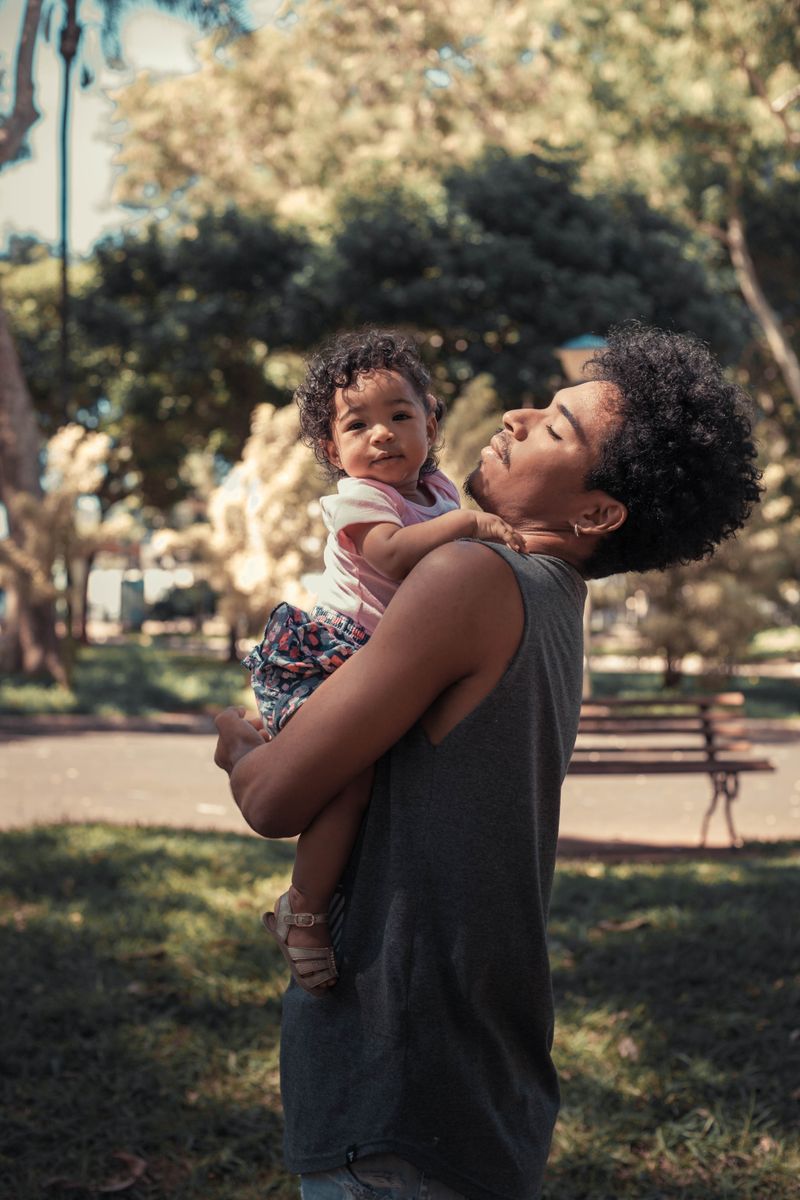
One-on-one time: why each kid needs you alone
With more than one child, group time quietly becomes the default and no kid gets you to themselves. A little one-on-one time lands differently, and it is easier to arrange than you think.
Group time is not the same thing
When you have more than one child, almost all your family time is group time by default: everyone at dinner, everyone at the park, everyone in the car. That time is good and it matters. But it is a different thing from time alone with one child, and it does not substitute for it.
In a group, kids compete for attention, perform for each other, and rarely say the real thing. One-on-one, the dynamic changes completely. A quieter child gets airtime. The conversation goes somewhere it never would with a sibling listening. The child gets, briefly, the experience of being the only one.
What solo time unlocks
Something opens up when a child has you to themselves. The guard drops. They tell you things, ask things, show you who they are without the sibling audience. For many kids, the real conversations only happen in that solo space.
It also quietly answers a question every child in a bigger family carries: am I special to him, or just one of the crowd. Regular one-on-one time says, without a word, that the answer is yes.
It can be small
The good news is one-on-one time does not require grand outings. Some of the best of it is mundane, and the ordinariness is part of why kids open up.
- Take one child along on a boring errand, just the two of you
- A short walk, a drive, a trip to the shop
- Let one stay up ten minutes later for a quiet chat
- Cook or fix something together, one on one
Rotate it, and keep it going
With several kids, the trick is simply to rotate, so over a few weeks each one gets their turn with you alone. It does not have to be equal every single day; it has to be fair over time, so no child goes months without any solo attention. Build it into the rhythm of your weeks the way you build in training or a date night. A little one-on-one time, given regularly to each child, does more for your relationship with them than a great deal of group time ever will.
Common questions
Why is one-on-one time with each child important?
Alone with a parent, a child drops their guard, talks openly, and feels chosen in a way group time cannot match. It gives quieter kids airtime, enables the real conversations that never happen with siblings around, and reassures each child that they matter individually, not just as one of the crowd.
How do I find one-on-one time with multiple kids?
Keep it small and built into your routine: take one child on a boring errand, a short walk, or a drive, or let one stay up a little later for a chat. Then rotate so each child gets a turn over a few weeks. It does not need to be a big outing to work.
Isn't family time together enough?
Group time is valuable but it is a different thing from one-on-one time and does not replace it. In a group, kids compete for attention and rarely say the real thing, whereas alone with you they open up. Each child needs some solo time in addition to the time you all spend together.
How do I keep one-on-one time fair between siblings?
Aim for fairness over time rather than identical treatment every day. Rotate solo time so that over a few weeks each child gets their turn alone with you, and make sure no child goes long stretches with no individual attention. Building it into your weekly rhythm keeps it consistent.
SuperPapa turns this into a system you actually run.
Five pillars, one weekly scoreboard, and an agent that guards your training and your time with the kids.